


Why we picked it
-
 Whole seed, cleaned and sun-dried, with nothing added.
-
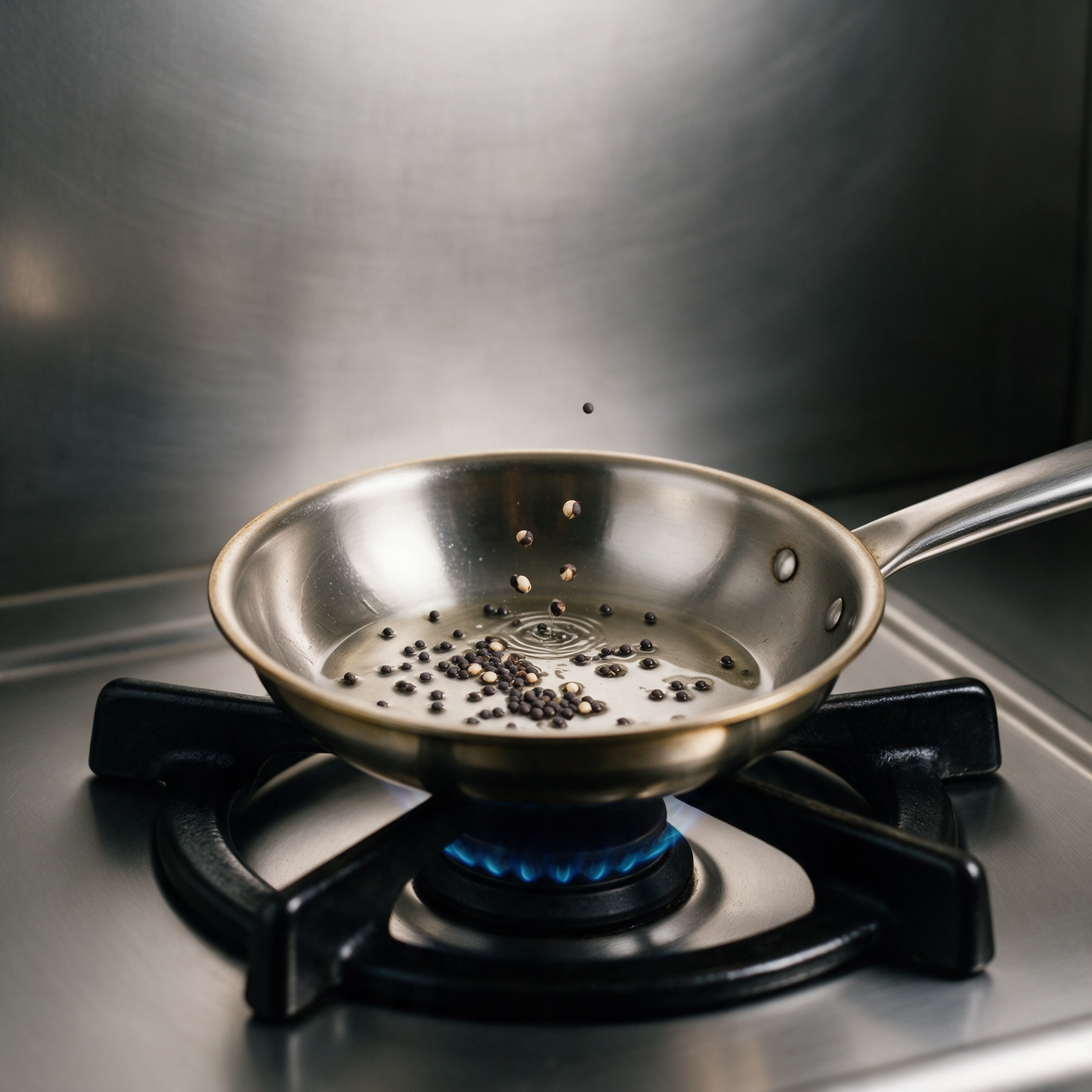
 Sold whole rather than ground, so it pops properly in hot fat.
-
 Traceable to the Nilgiris co-operative that grew it, with the region named.


What to look for in Mustard Seeds?
What to look for in Mustard Seeds?
- 01Buy whole where you can. Whole spice you can inspect; powder is easy to pad out with starch, husk or chalk.
- 02Rub a pinch between wet palms. Colour that lifts onto skin means added dye. Metanil yellow, lead chromate and Sudan dyes are all documented in Indian spice.
- 03A single-ingredient list is the whole point. Anti-caking agents and 'permitted colour' both signal processing you do not need.
- 04Steam sterilisation is the clean way to reduce microbes. Irradiation and fumigation are not always declared.
What's inside
Cleaned and sun-dried after harvest. No additives.
Aadhimalai Forest Rai vs other mustard seeds
| What to compare | Purepicked | Regular mustard seeds |
|---|---|---|
| Form | Whole seeds | Whole, but often uncleaned or mixed |
| Additives | None | May carry dust, grit or foreign seed |
| Source | Single co-op, Nilgiris | Blended from mixed origins in bulk trade |
| Traceability | Named biosphere and producers | Source rarely traceable past the trader |
How to use it
- Crackle in hot oil for tempering (tadka)
- Add to pickles and brines
- Toast and grind into spice blends
Is it for you?
Good for
Tempering & pickles
Everyday South Indian cooking
Avoid if
Anyone who wants ready-ground mustard — these are whole seeds for tempering
Cooks who will not pop them in hot fat; unpopped mustard seed tastes raw and bitter
Buyers expecting the yellow mustard of a table condiment — this is the small, pungent Indian kind
Product details
- Sold by
- Purepicked
- Brand
- Aadhimalai
- Net quantity
- 50 g, 100 g
- Type
- Whole Spices
Also on the label
Questions people ask
Are these whole or ground?
Whole seeds. They are the small, pungent Indian kind used for tempering, not the yellow mustard of a table condiment.
How do I use them?
Crackle them in hot oil for tadka, add them to pickles and brines, or toast and grind them into spice blends. Always pop them in hot fat, as unpopped seeds taste raw and bitter.
Is anything added?
No. It is a single ingredient. The seeds are cleaned and sun-dried after harvest, with no additives.
Where do they come from?
From Nilgiris farms of the Aadhimalai producer co-operative. Unlike this producer's black pepper, this pack does not carry PGS certification.
Still unsure? Ask us on WhatsApp