


Why we picked it
-
 Genuinely wild-harvested by Adivasi honey hunters, with Keystone Foundation's sustainability work behind it.
-
 Native and stingless bee species that commercial honey almost never reaches.
-
 A C4 sugar or NMR purity test is the one thing we would want before treating any of these as fully documented.


What to look for in Honey?
What to look for in Honey?
- 01Insist on a C4 sugar or NMR purity result before trusting any honey purity claim, from any brand — Indian testing has repeatedly found major brands failing NMR while passing simpler screens.
- 02Wild honey varies batch to batch in colour, thickness and crystallisation depending on the season's flowering.
- 03Stingless bee honey is higher in moisture, more sour, and needs cooler storage than regular honey.
- 04Never give honey of any kind to a child under 12 months.
This vs regular market honey
| What to compare | Purepicked | Regular honey |
|---|---|---|
| Harvest method | Wild forest hives, traditional hand harvest | Usually apiary-managed, often migratory |
| Producer | Adivasi collective, community-owned | Commercial packer |
| Purity testing | Not published — flagged as the key gap | Varies; adulteration widely documented in India |
How to use it
- Direct by the spoon, or stirred into warm water or tea
- Drizzle over food rather than cooking at high heat
- Store cool and dry; crystallisation is reversible in a warm water bath
Is it for you?
Good for
Those wanting genuinely wild-harvested rather than apiary honey
Supporting Adivasi forest-rights livelihoods
Avoid if
Infants under 12 months
Anyone needing a lab-confirmed purity test on file before purchase
Product details
- Sold by
- Purepicked
- Brand
- Forest Post
- Net quantity
- 300 g
- Type
- Honey
Questions people ask
What does it taste like?
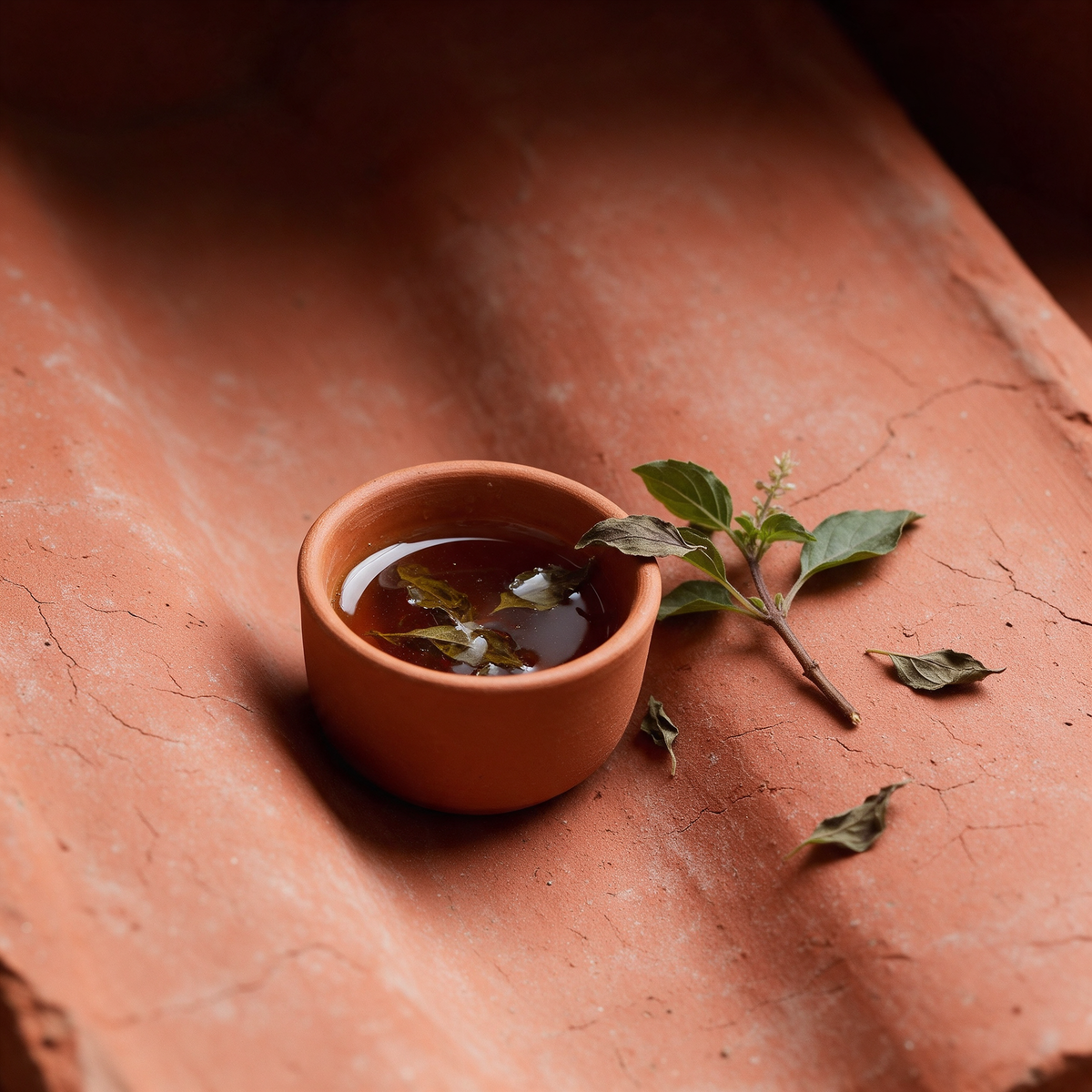
Forest honey infused with tulasi (holy basil), which adds a clove-like, slightly peppery note against the sweetness.
Is it a remedy?
No. Honey with tulasi is a traditional kitchen preparation, and we describe it as food, not medicine.
What exactly is in it, and how much tulasi?
Forest honey and tulasi. Forest Post has not published the full ingredient list, the infusion method or the tulasi proportion yet. We have asked for them.
Has the honey been tested for purity?
No purity or adulteration test (C4 sugar or NMR) is published, and no lab report is on file. That is why we have marked it Caution.
How do I use and store it?
Take it by the spoon or stir it into warm water or tea, rather than cooking it at high heat. Store it cool and dry. It is not for infants under 12 months.
Still unsure? Ask us on WhatsApp