


Why we picked it
-
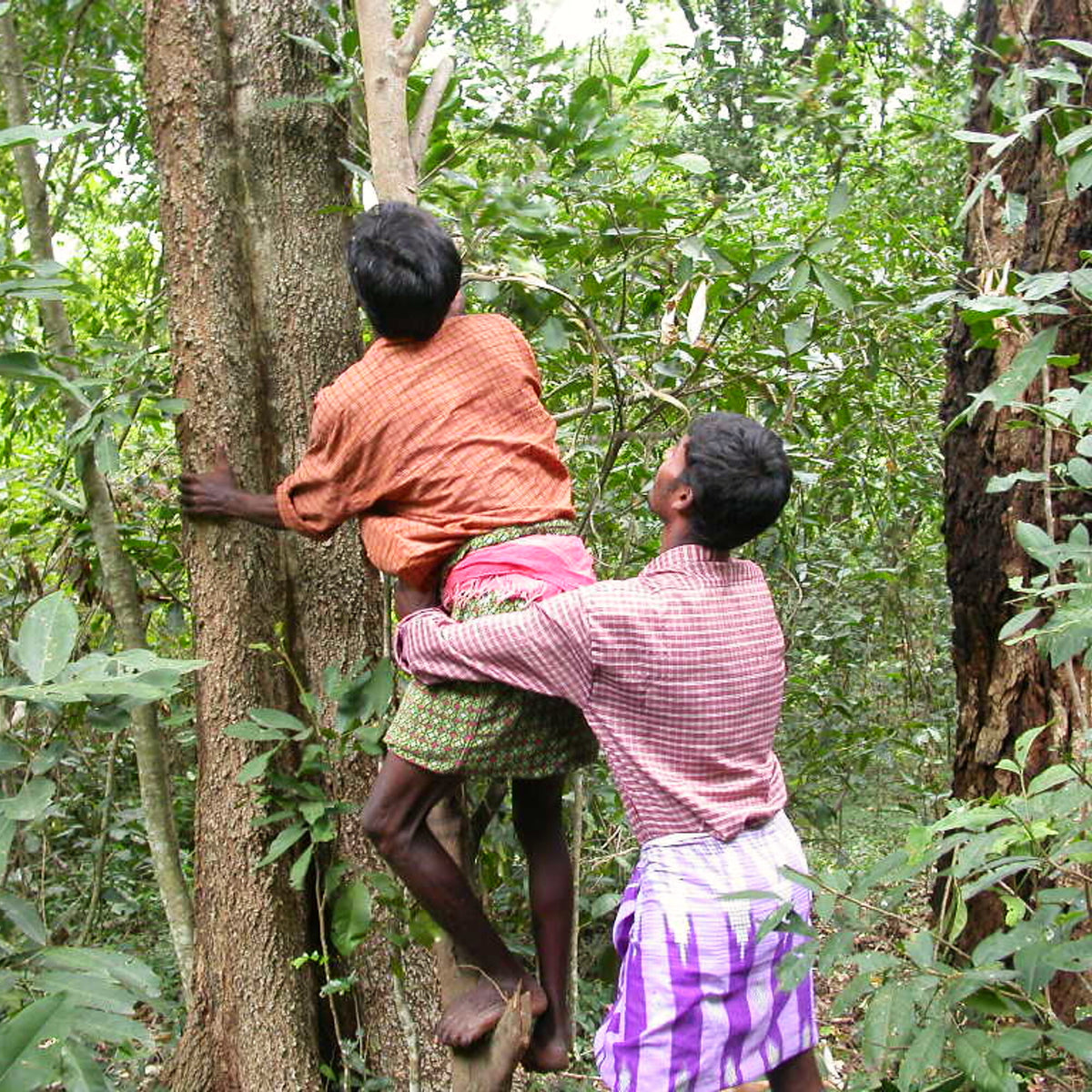
 Genuinely wild-harvested by Adivasi honey hunters, with Keystone Foundation's sustainability work behind it.
-
 A named native bee species, Tetragonula, rather than a generic 'pure honey' line.
-
 One ingredient, and a single forest as the origin.
-
 The sour, thin character is the honey being itself rather than being corrected to look like shelf honey.


What to look for in Honey?
What to look for in Honey?
- 01A C4 sugar or NMR test is the check that catches syrup adulteration — Indian testing has repeatedly found major brands passing simpler screens and failing NMR.
- 02Wild honey varies batch to batch in colour, thickness and crystallisation depending on the season's flowering.
- 03Stingless bee honey is higher in moisture, more sour, and needs cooler storage than regular honey.
- 04Never give honey of any kind to a child under 12 months.
What's inside
The entire product. Nothing added, nothing blended in, nothing cooked out.
Not the Apis honeybee behind almost all shelf honey, which is why this one is thinner and more sour.
Forest Post Honey from Stingless Bees vs other honeys
| What to compare | Purepicked | Other honeys |
|---|---|---|
| Bee | Tetragonula, a named native stingless species | Almost always the Apis honeybee |
| Source | Wild hives in a named Western Ghats forest, hand gathered | Managed apiaries, often migratory and blended across regions |
| Producer | Adivasi collectives who own the harvest | A commercial packer buying from aggregators |
| Texture and taste | Thin, tangy, sour-sweet | Thick and uniformly sweet |
How to use it
- Take it neat by the spoon — the sour tang is the character and heat flattens it
- Stir into warm, not hot, water with lime first thing in the morning
- Drizzle over curd, cut fruit or a bowl of poha
- Use it where you would reach for a squeeze of lime as much as where you would reach for honey
- Finish a plate of appam or a cheese board with it rather than baking with it
Is it for you?
Good for
Anyone who wants a single-origin, single-species honey
Those who like a sour, tangy honey taken neat
Buyers supporting Adivasi forest-rights livelihoods
Avoid if
Infants under 12 months
Anyone expecting a thick, uniformly sweet honey
Anyone needing a lab-confirmed purity test on file before purchase
Product details
- Sold by
- Purepicked
- Brand
- Forest Post
- Net quantity
- 135 g
- Type
- Honey
Also on the label
Questions people ask
How is stingless bee honey different from regular honey?
It comes from Tetragonula, tiny native bees that nest in tree hollows. The honey is thinner, tangier and more sour than the thick, sweet honey most people know.
Why is it sold in a small jar?
A stingless colony yields only a fraction of a regular hive, sometimes just a few hundred grams a year.
How should I eat it?
Take it neat by the spoon, since heat flattens the sour tang. Stir it into warm (not hot) water with lime, or drizzle it over curd, fruit or poha.
Has it been tested for purity?
No purity or adulteration test (C4 sugar or NMR) is on file yet. It is a single ingredient with nothing added.
Can babies have it?
No. Like all honey, it is not suitable for infants under 12 months.
Still unsure? Ask us on WhatsApp