


Why We Like It
- We like that it is sold as whole blades rather than ground, so the oils stay in until you use it.
- Single ingredient, nothing added.
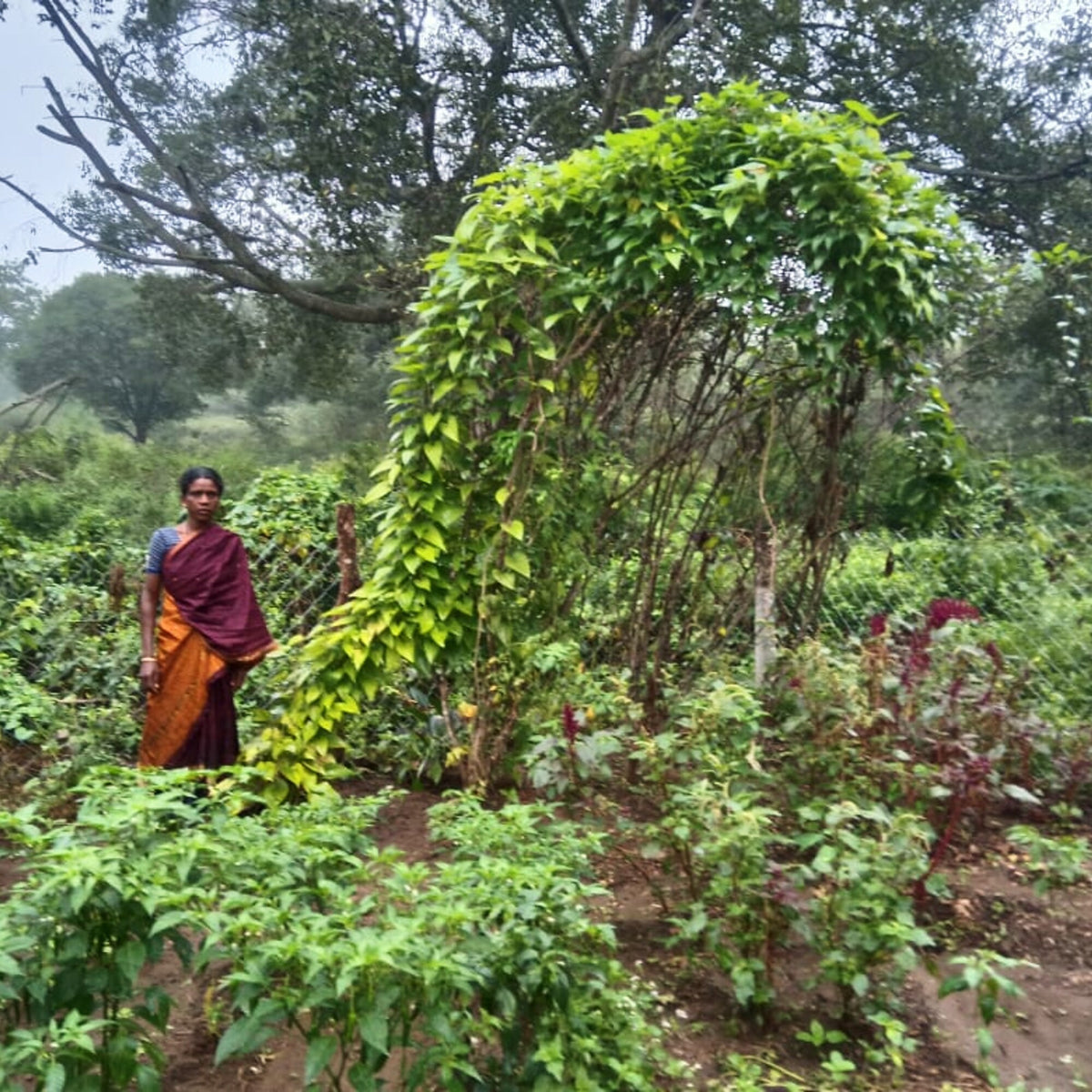
- Grown by farmer-shareholders of the Nilgiris cooperative under agroforestry.
- Harder to source than nutmeg, since each fruit yields only a thin veil of mace.
Ingredients
Mace (whole)
Single ingredientGrown by indigenous farmer-shareholders of the Nilgiris.
Aadhimalai Forest Javitri versus other mace blades
| What to compare | Purepicked | Regular market mace |
|---|---|---|
| Form | Whole blades | Often sold ground |
| Farmer ownership | Grower-owned cooperative | Typically not farmer-owned |
| Sourcing | Named bioregion (Nilgiris) | Source rarely traceable past the trader |
Is It For You?
Good for
Those wanting to support indigenous farmer-owned supply chains
Everyday household spicing
Avoid if
None specific beyond standard individual spice sensitivity
How to use
Biryani and pulao spice blends
Baking
Savoury sauces
What to look for in Mace?
Buy whole where you can. Whole spice you can inspect; powder is easy to pad out with starch, husk or chalk.
Rub a pinch between wet palms. Colour that lifts onto skin means added dye. Metanil yellow, lead chromate and Sudan dyes are all documented in Indian spice.
A single-ingredient list is the whole point. Anti-caking agents and 'permitted colour' both signal processing you do not need.
Steam sterilisation is the clean way to reduce microbes. Irradiation and fumigation are not always declared.