


Why We Like It
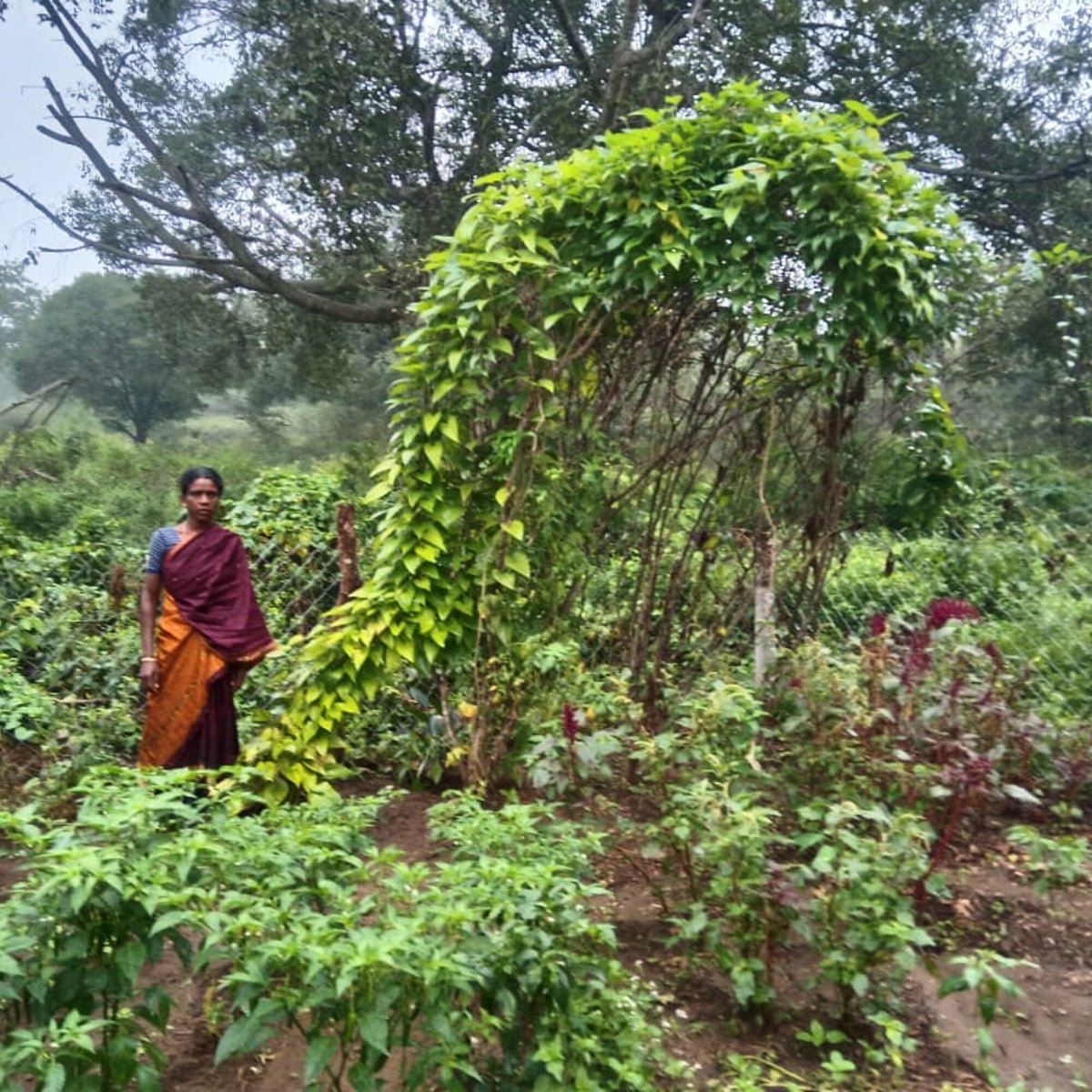
- The sourcing — single-origin, traceable to Nilgiris farmers and processed by the co-op's own units.
- Ground from clean-sourced rhizomes with nothing added, in a category where lead chromate is a documented adulterant.
- Works best alongside a little black pepper, which supports absorption of its natural curcumin.
Ingredients
Turmeric (ground rhizome)
Single ingredientSingle-origin Nilgiris. No additives; pairs with black pepper for curcumin absorption.
Aadhimalai Forest Haldi Powder versus other turmeric powders
| What to compare | Purepicked | Regular turmeric powder |
|---|---|---|
| Adulterant dye | None | Metanil yellow and lead chromate are documented risks |
| Filler | None | May carry starch or chalk |
| Source | Single co-op, Nilgiris | Blended from mixed origins in bulk trade |
| Traceability | Named biosphere and producers | Source rarely traceable past the trader |
Is It For You?
Good for
Daily Indian cooking
Golden-milk & spice blends
Avoid if
Anyone expecting a uniform electric-yellow powder — undyed turmeric is duller and varies by batch
Cooks who want turmeric to add flavour rather than colour
Blood-thinner users, who are usually told to keep turmeric to culinary amounts
How to use
Add to curries, dals and rice
Pair with black pepper for absorption
Stir into warm milk or soups
What to look for in Turmeric Powder?
Buy whole where you can. Whole spice you can inspect; powder is easy to pad out with starch, husk or chalk.
Rub a pinch between wet palms. Colour that lifts onto skin means added dye. Metanil yellow, lead chromate and Sudan dyes are all documented in Indian spice.
A single-ingredient list is the whole point. Anti-caking agents and 'permitted colour' both signal processing you do not need.
Steam sterilisation is the clean way to reduce microbes. Irradiation and fumigation are not always declared.
Bright, uniform yellow is a warning in turmeric. Lead chromate is used to brighten cheap powder and is a serious contaminant.