




Why We Like It
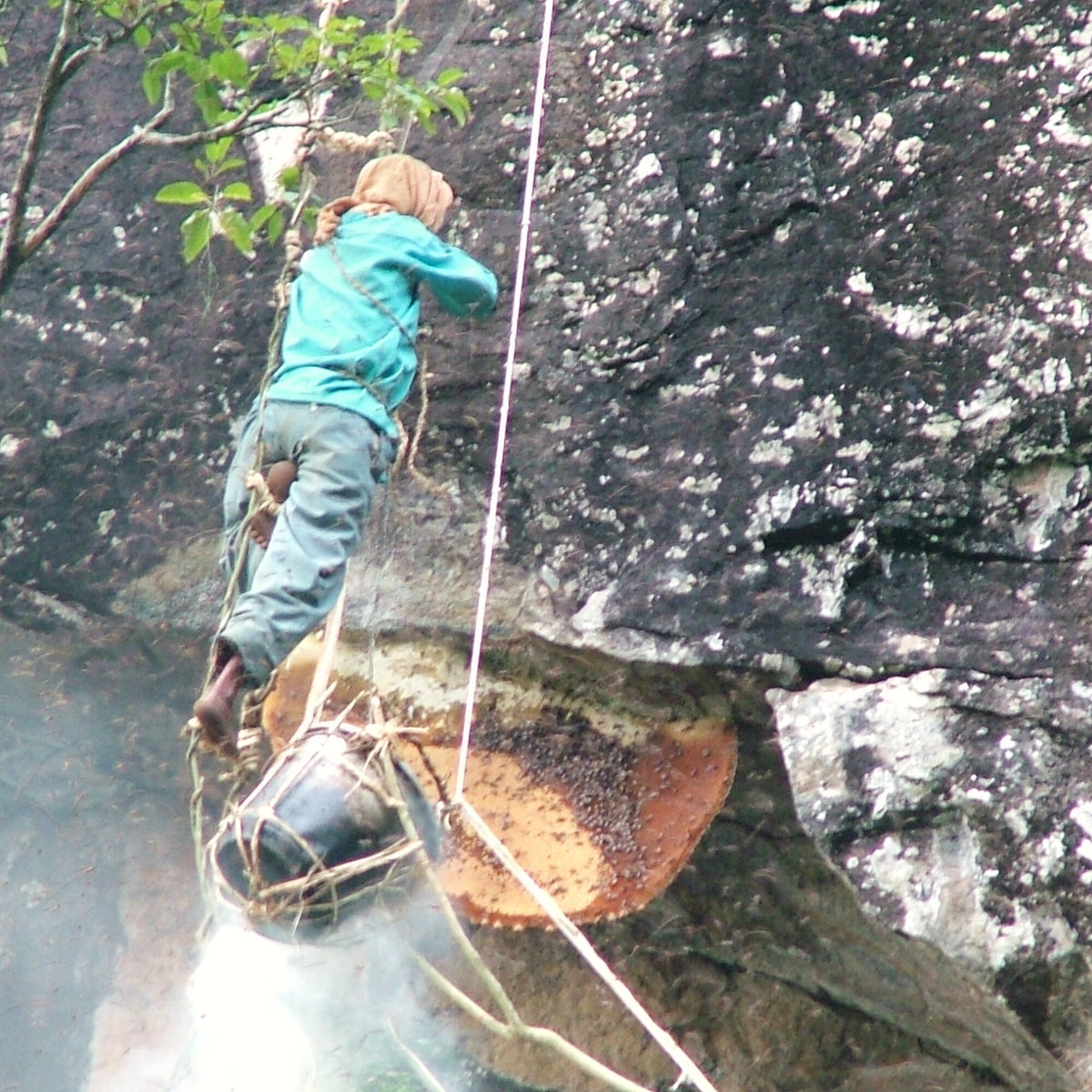
- Genuinely wild-harvested by named tribal communities inside the Nilgiris Biosphere.
- One ingredient, and the co-operative that gathers it is the one that sells it.
- Colour and thickness shift with the season, which is what wild honey does rather than a fault.
- The harvest income stays with the forest communities doing the collecting.
Ingredients
Raw Forest Honey
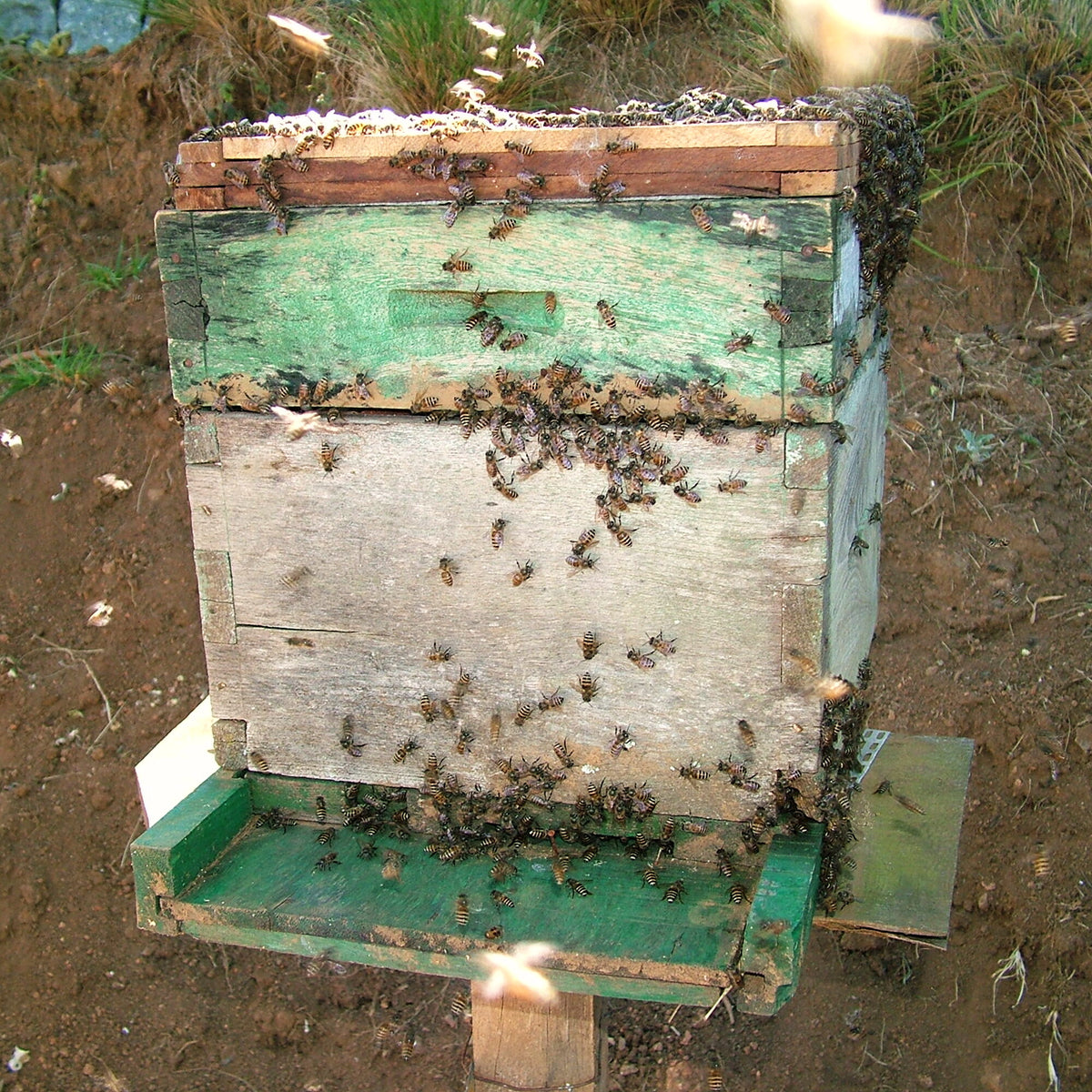
Single ingredientWild-harvested from Nilgiris Biosphere hives; no added sugar. Colour/texture vary by season.
Aadhimalai Kotagiri Honey versus other honeys
| What to compare | Purepicked | Regular market honey |
|---|---|---|
| Source | Wild forest hives, a single co-operative in the Nilgiris | Apiary honey blended across mixed origins |
| Processing | Minimal, collected and bottled | Often heated and ultrafiltered, which removes the pollen |
| Traceability | Named tribal harvesters inside a named biosphere | Bought through aggregators, not traceable to a hive |
| Additives | None | Flavour or colour added in some honeys |
Is It For You?
Good for
Refined-sugar-free diets
Those wanting to support indigenous farmer-owned supply chains
Avoid if
Children under 1 year (standard infant botulism risk for all honey, not brand-specific)
Anyone who wants a C4 sugar purity result behind their honey
How to use
Take a spoon plain or in warm water
Drizzle over breakfast, fruit or yoghurt
Stir into tea or use in dressings
What to look for in Honey?
Sugar syrup adulteration is the central problem in honey. Rice and corn syrup are not detectable by taste, and the water-drop test does not work.
Moisture matters. Above roughly 20% honey ferments. Genuine low-moisture honey is thick and slow to pour.
Crystallisation is normal and varies by floral source. It is not a sign of sugar and not a sign of spoilage.
Raw, unfiltered honey keeps its pollen. Heavy filtering and heating make honey clear and pretty while stripping that away.
A C4 sugar isotope test is the check that catches syrup adulteration. An organic certificate covers the beekeeping, not the syrup.